Loading article...
Trusted news agencies tracing tendencies of democratisation and autocratisation globally

Trusted news agencies tracing tendencies of democratisation and autocratisation globally
Loading article...
Nairobi serves as a haven for journalists in East Africa fleeing state persecution. Many are able to continue their work there using digital media in relative freedom. An Ethiopian reporter tells of his flight, his work for freedom of speech - and of the challenges.
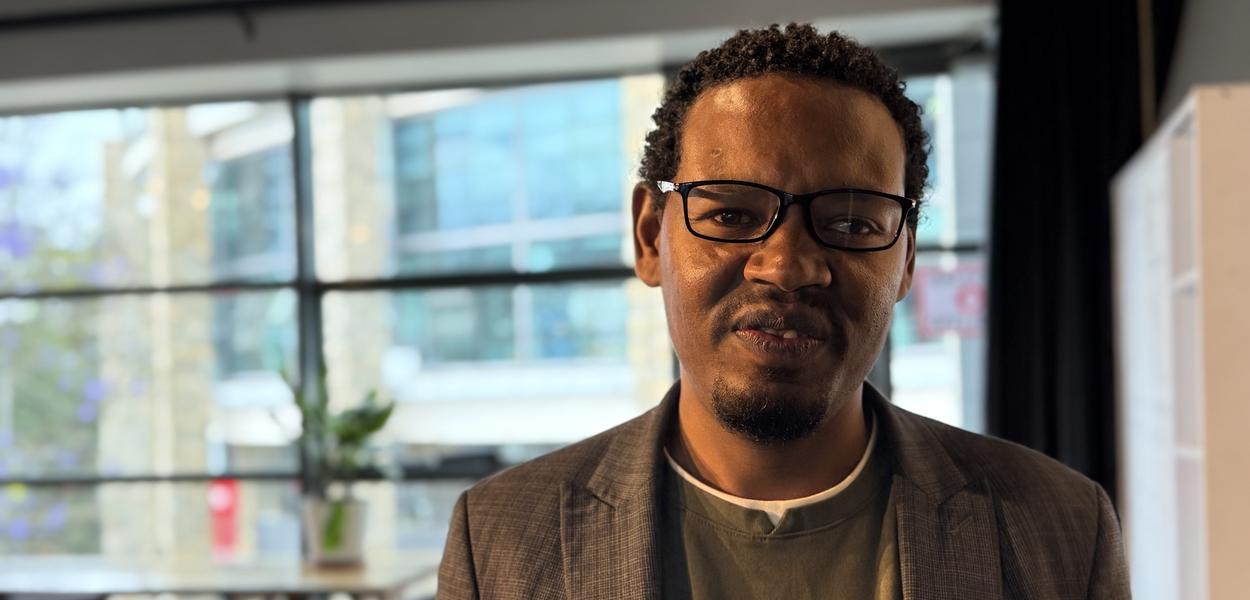
Nairobi (DNA) – Natnael Gecho took his laptop and phone, some clothes and toiletries and headed down the long road to Moyale, the border town between Kenya and his Ethiopian homeland.
The journalist did not have a passport, just his national ID. But he managed to negotiate his way into the neighbouring country.
Leaving Ethiopia was a must for Gecho, who ran a news platform with stories on human rights topics and marginalized communities in his home region in Southern Ethiopia.
"I left because of persecution and arrests," he explains during a meeting in a coworking space in the Kenyan capital Nairobi. "They tried to kill me many times. They arrested me many times - the government - I mean."
Gecho had worked for both government and private media before he founded Wolaita Times, now WT media.
Like many of his colleagues, he placed high hopes in Ethiopian Prime Minister Abiy Ahmed when he came to power in 2018. Abiy, who was awarded the Nobel Peace Prize for peace efforts with Eritrea in 2019, initiated some political reforms, but the climate of change did not last long.
"We hoped we would have a good space for freedom of speech. But within one year, he changed everything," Gecho says.
"He started arresting journalists - activists - the ones who are trying to write something freely. So freedom of speech is tightened; it's narrowed. So many media have been shut down; even many of Ethiopian journalists are in jail."
Continuing his work in Ethiopia was increasingly difficult and dangerous. "I decided to leave. Since then, I have continued my job here in exile."
That was December 2022. Gecho's family managed to follow. Meanwhile, Gecho has been recognized as a refugee in Kenya.
Gecho is not the only journalist who is forced into exile. Over recent years, Nairobi has become a hub for East African journalists fleeing conflict and persecution. Some came only to find temporary shelter, aiming to return as soon as circumstances allow. Others came to the realization that going back means risking their lives.
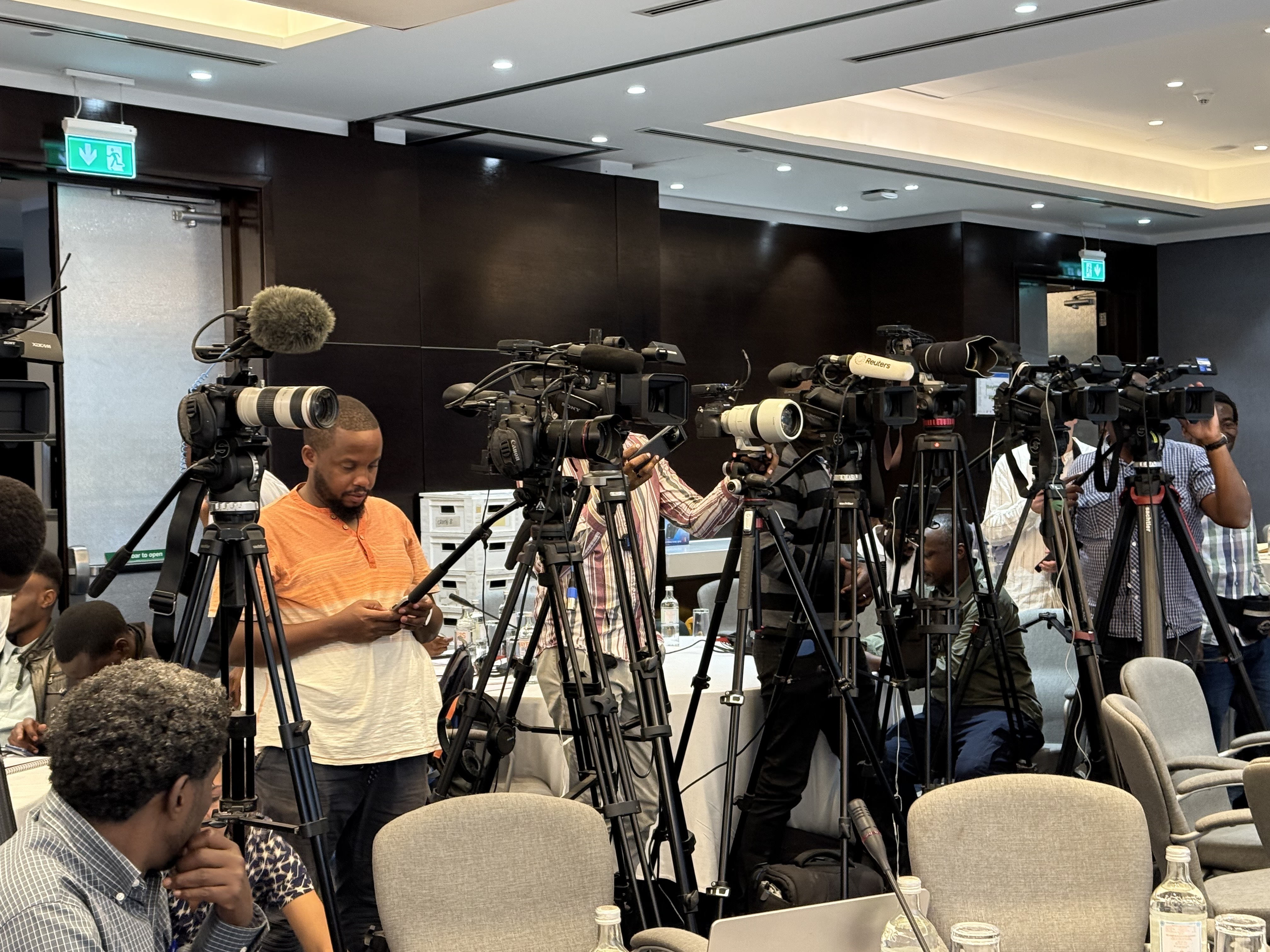
They come from Ethiopia and Sudan, from Tanzania and Uganda, from the Democratic Republic of Congo and from Somalia. Nairobi, the Kenyan capital with its international mix, is seen as a place for a fresh start.
Baraza Media lab, where the meeting with Gecho took place, hosts the Exile Media Hub, which opened in 2004.
Media in Cooperation and Transition (MiCT), together with its partners the International Press Association of East Africa (IPAEA), launched the project with financial support from the German Foreign Office.
The Exile Media Hub in Nairobi aims to be a safe space where journalists can get the support they need to navigate challenges and amplify their voices.
"We believe in the power of pluralistic public discourse to drive positive change, and the project is a crucial step towards ensuring that journalists in the region can continue to fulfil their vital role in society," MiCT founder and managing director Klaas Glenewinkel said during the launch of the hub.
At the Exile Media Hub, journalists like Gecho find a coworking space, a podcast studio, and equipment they can borrow for their work. The Hub not only offers structures on site, it also exists as a digital contact point for those who are not in Nairobi.
But even Nairobi is not necessarily a safe haven for exiled journalists like Gecho. "They try to kidnap, to silence, to hack media," he says in reference to the Ethiopian security forces. He has moved several times within Nairobi because of this, leaving a neighbourhood with a big Ethiopian community as he did not feel sure whom he could trust.
It is not all easy going for journalists in Kenya, especially those critical of the government. During the so-called Gen Z-protests, which have flared up regularly since the summer of 2024, journalists covering the demonstrations often found themselves attacked as well, teargassed and hit by water cannon while doing their job.
"I know there is a challenge, but still, media can cover the voice of people.", Gecho says, comparing the situation of journalists in Ethiopia and Kenya. "No media licenses have been suspended. Still, it's good here."
It is certainly better than in most countries in the region.
During the elections in Tanzania last year, the internet was shut down for days. In Uganda, some months ago General Muhoozi Kainerugabe, the son of longtime President Yoweri Museveni, ordered a military shutdown of the news outlets Daily Monitor and NTV Uganda, both part of Nation Media Group (NMG) based in Kenya.
It took more than a month before they were able to resume work again, following protests from press councils in the region.
Human Rights organizations are concerned about developments in the region. "Across the region, governments and in some instances non-state actors, have intensified their crackdowns on the media and journalists through shutdowns, arrests and arbitrary detentions", says Tigere Chagutah, Amnesty International’s Regional Director for East and Southern Africa.
"They have weaponized criminal justice systems to target journalists and continued to use broad and vaguely worded laws to silence and intimidate them. This all came at a time when media revenues were low, putting an even greater strain on press freedom," Chagutah added.
Reporters Without Borders (RSF) has termed the state of press freedom "difficult" in 24 of 48 African countries, and "very serious" in 5: Rwanda - which ranks 139th out of 180 countries and territories -, Ethiopia (148th), Sudan (161st), Djibouti (167th) and Eritrea (180th).
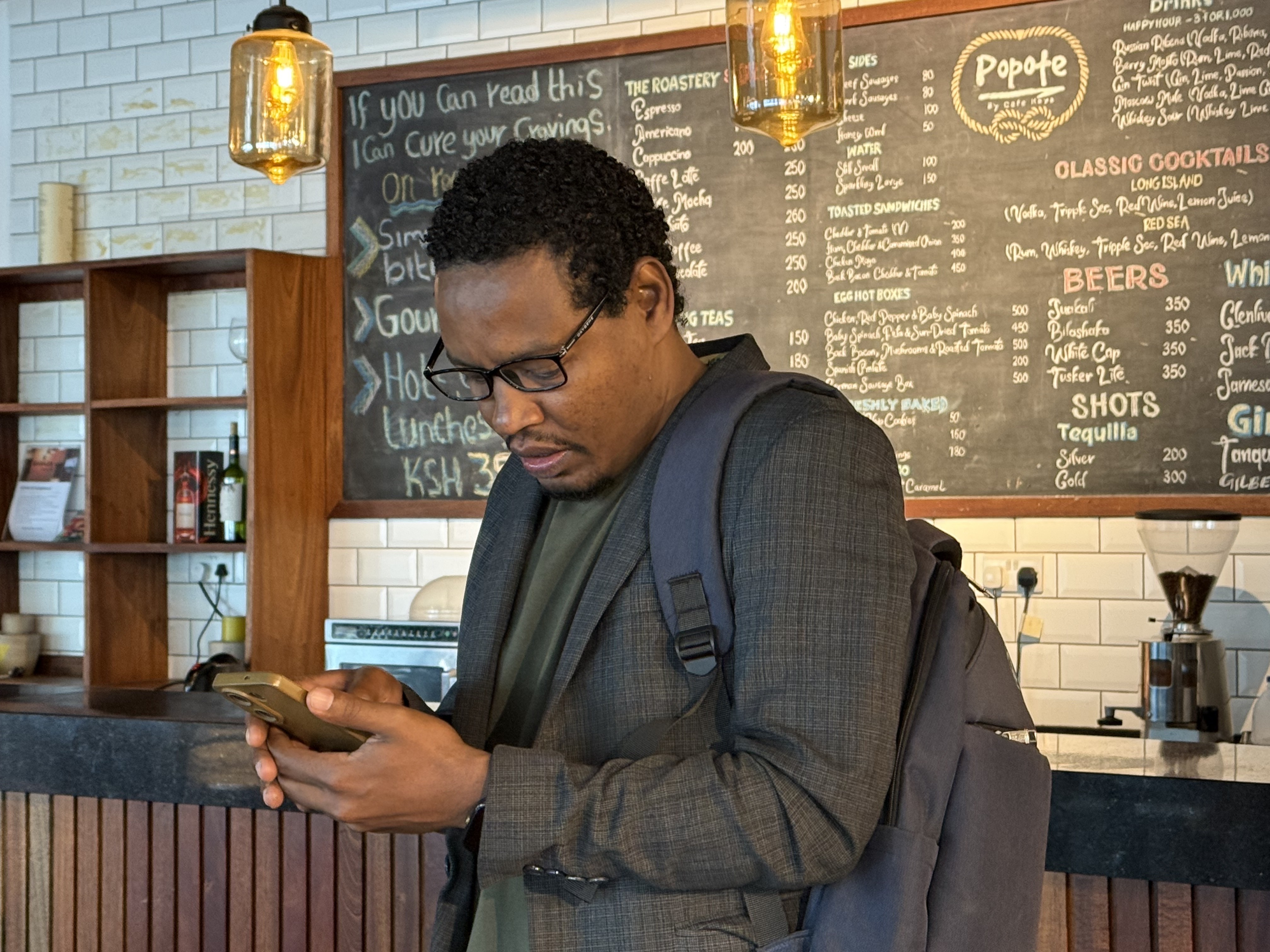
Where media are gagged, civil society actors and journalists find ways to connect and inform via social media platforms. As a lot of activism has transferred to the digital space, journalists like Gecho can work for their readers, listeners and viewers using online tools.
"They can drive you out of your country, but they can't shut you up", Gecho says. "There are many options, like a website, Facebook, Telegram. Because it's online, I was able to take my media with me. I can make an impact from my phone."
Eva Krafczyk, dpa