Loading top articles...
Loading news articles...
Trusted news agencies tracing tendencies of democratisation and autocratisation globally

Loading top articles...
Loading news articles...
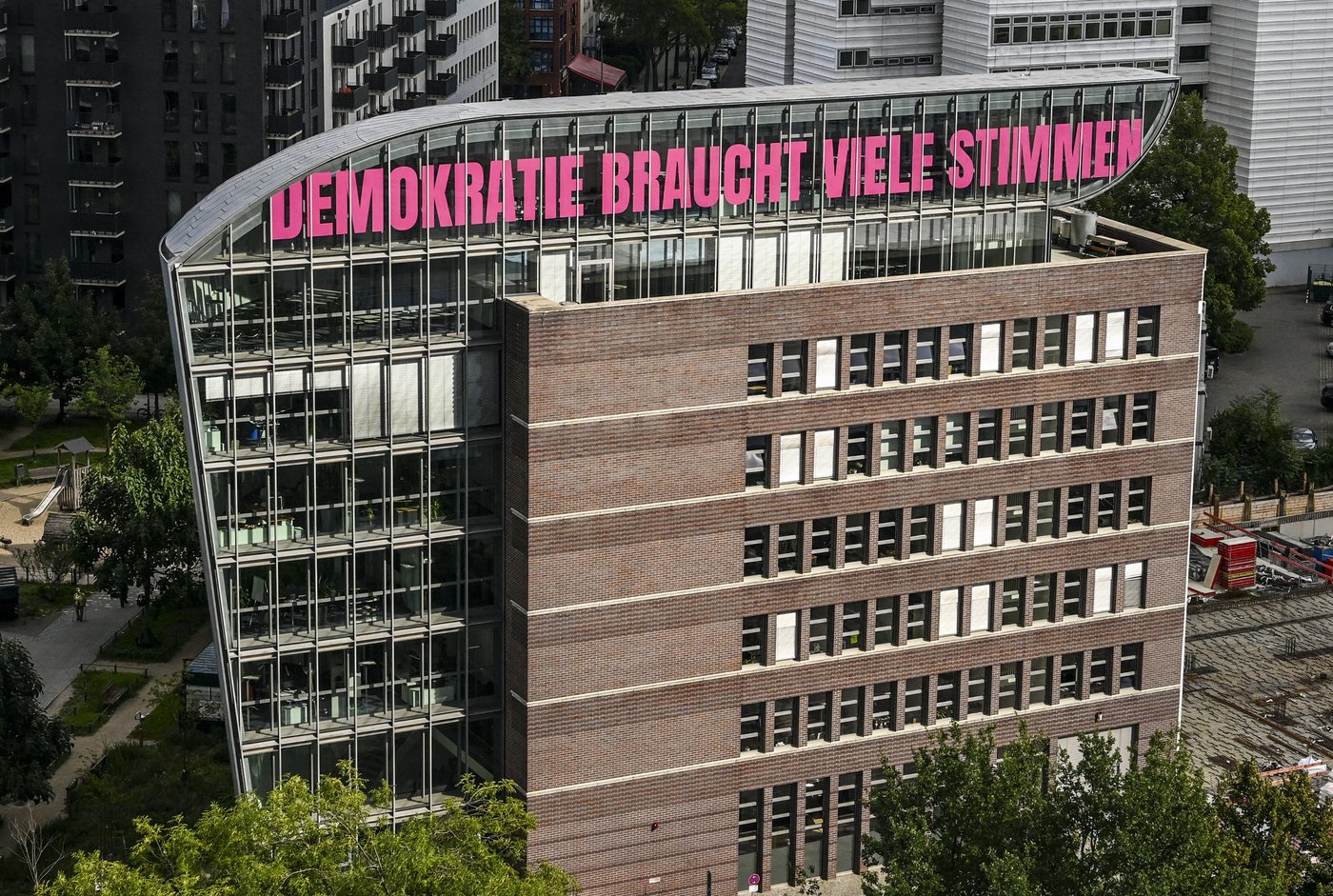
A broad range of German media organizations have launched a week-long campaign to stress the need for diversity in the dissemination of news. The campaign will highlight how AI can lead to overhasty publication without fact-checking.
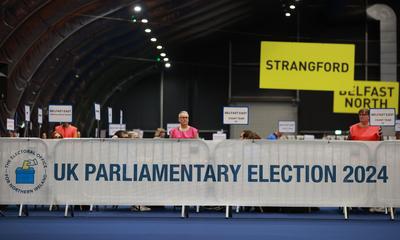
Anthony Lee was the Conservative Party's campaing chief at the time of the 2024 general election in the UK. He and his wife, who was an MP candidaten, admitted to cheating with election bets.
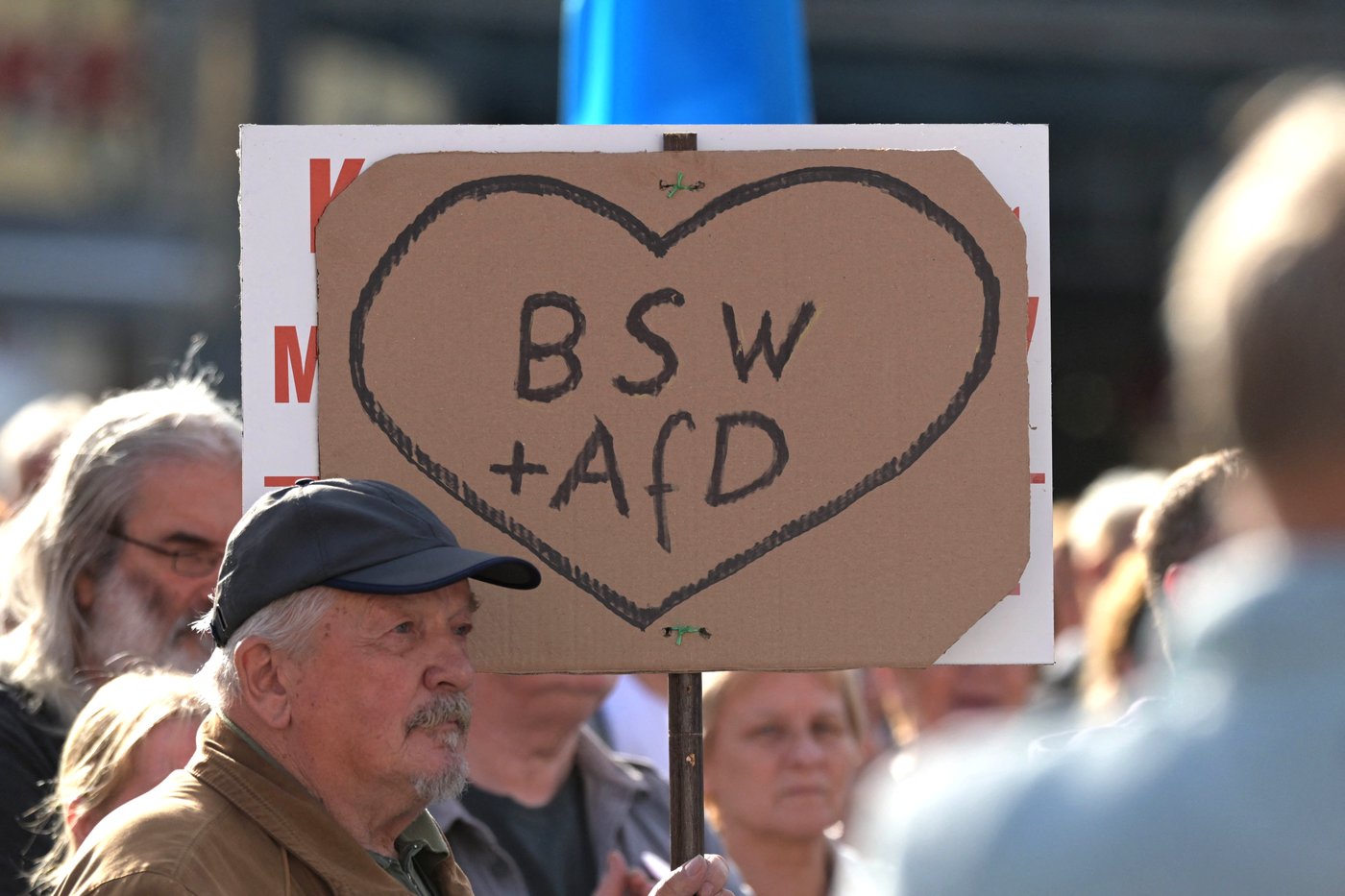
Mainstream German parties say they will not cooperate the anti-migrant AfD after its resounding victory in a state election. Now, another populist party, the BSW, which backs leftist economic policies but also wants to limit immigration is offering talks - but no coalition.
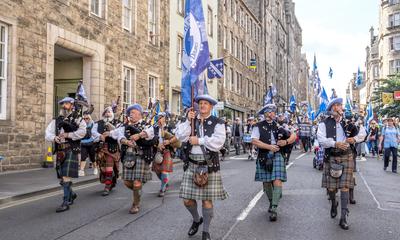
The Prime Minister had previously told Scotland’s First Minister John Swinney that a second referendum is ‘off limits’.
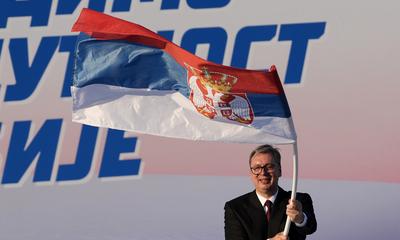
Following ongoing protests by many Serbs, President Vucic is pushing for early parliamentary elections on October 25. It's a test of Vucic's hold on power as protests have rattled his rule.
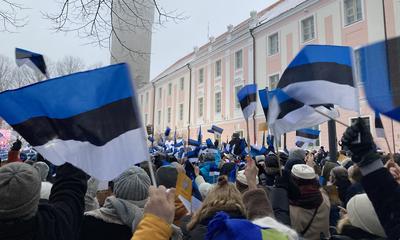
Europe still tops global democracy rankings—but the foundations beneath that lead are showing cracks. A new study warns that improving living standards are masking stalled institutions, weakening accountability and a complacency that could shape the continent’s future.
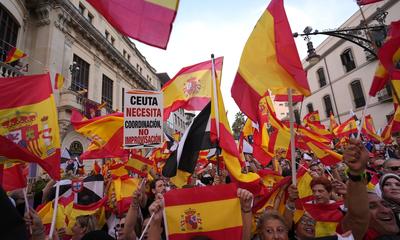
A secret list of Spanish journalists and their political opinions, compiled by the Interior Ministry has caused a further row against the backdrop of criticism over the migration crisis in Ceuta. The Spanish journalist body calls the list a "direct attack on press freedom".
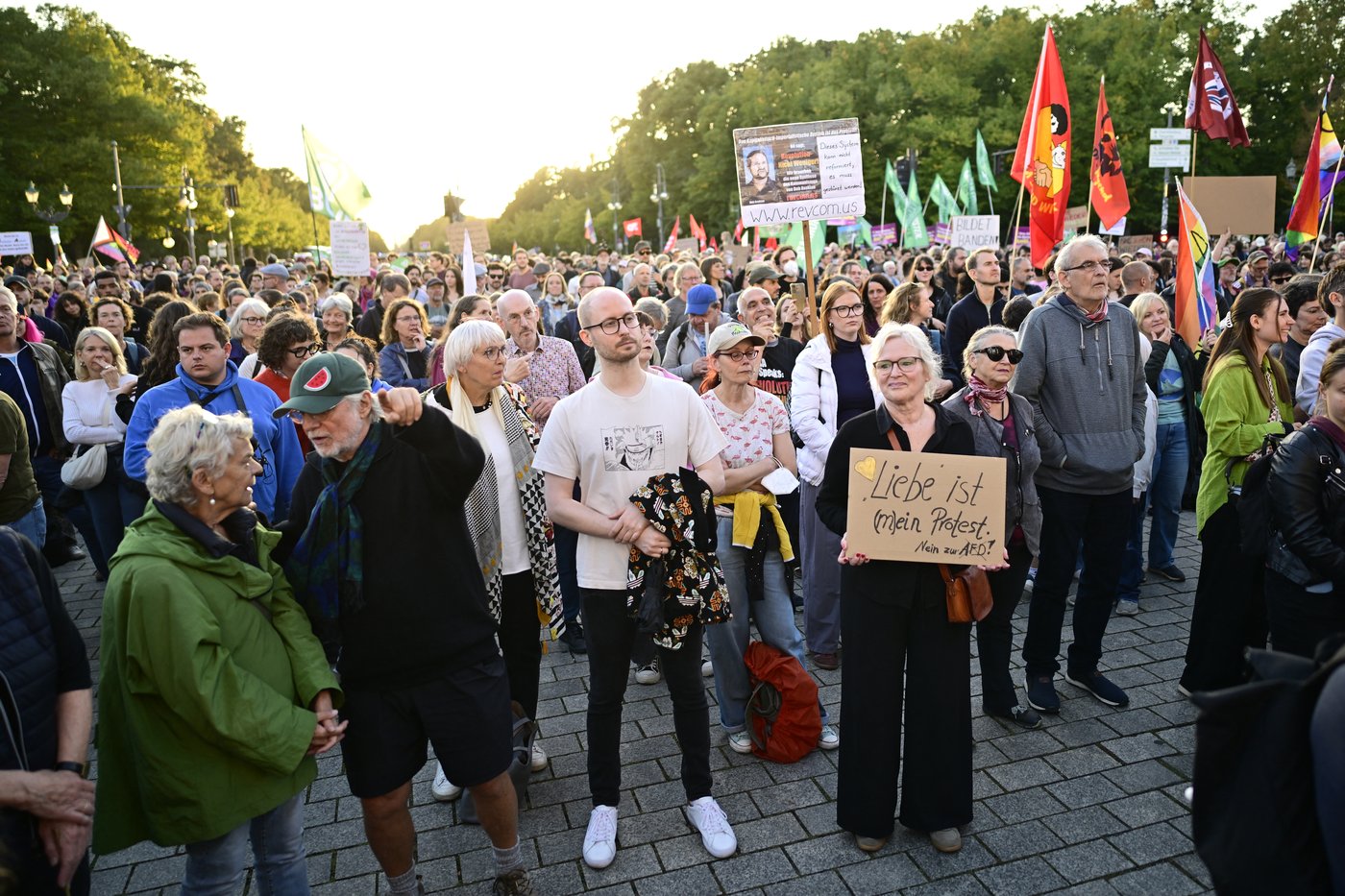
Thousands of Germans took to the streets in Berlin and elsewhere to signal their disgust at the resounding victory of the far-right AfD in a weekend state-level election. The protests come ahead of two similar elections, in which the party is polling strongly.
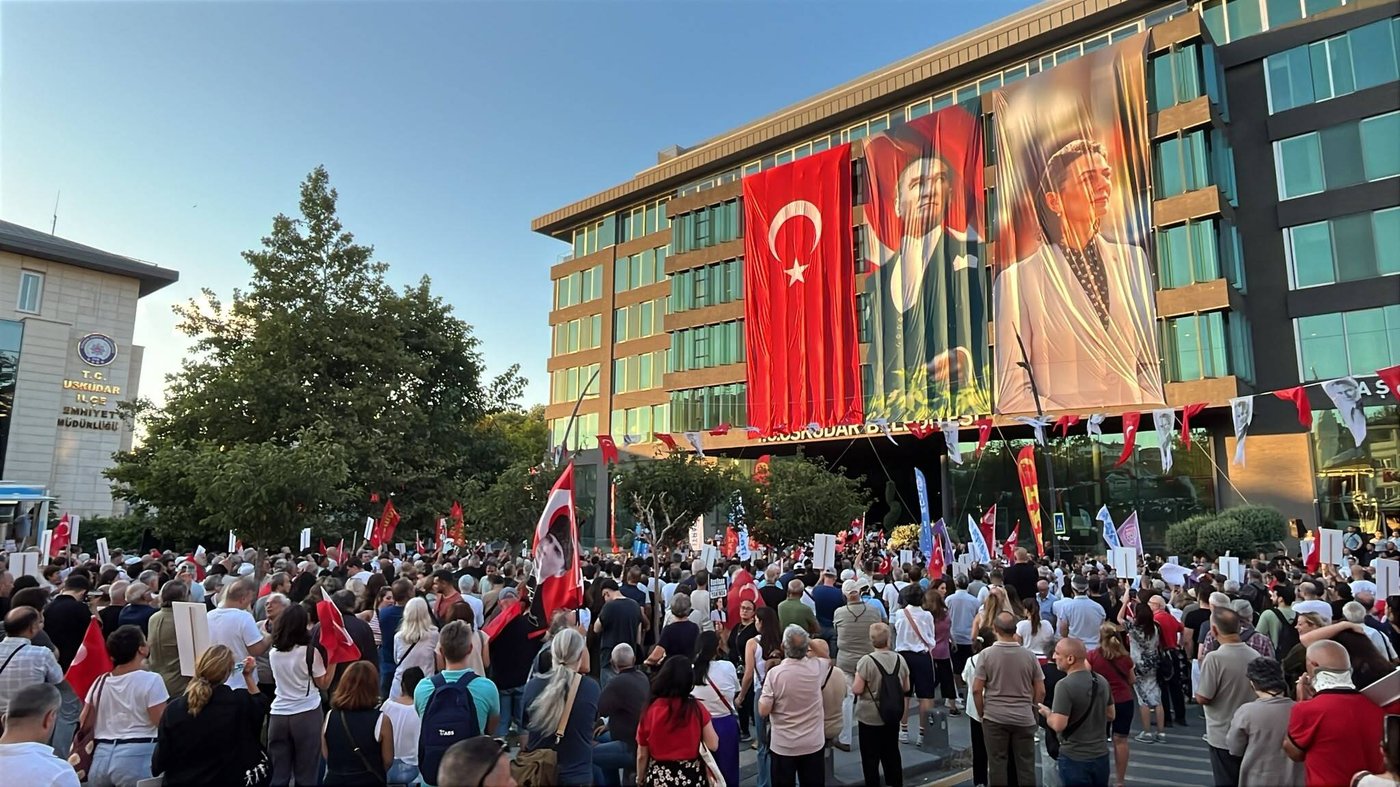
Turkish mayors affiliated to the opposition CHP and its new splinter, the Yeni Parti, are facing arrest on a large scale, often charged with corruption, organized crime and abuse of of office. Observers increasingly see judicial repression on behalf of the ruling AKP.
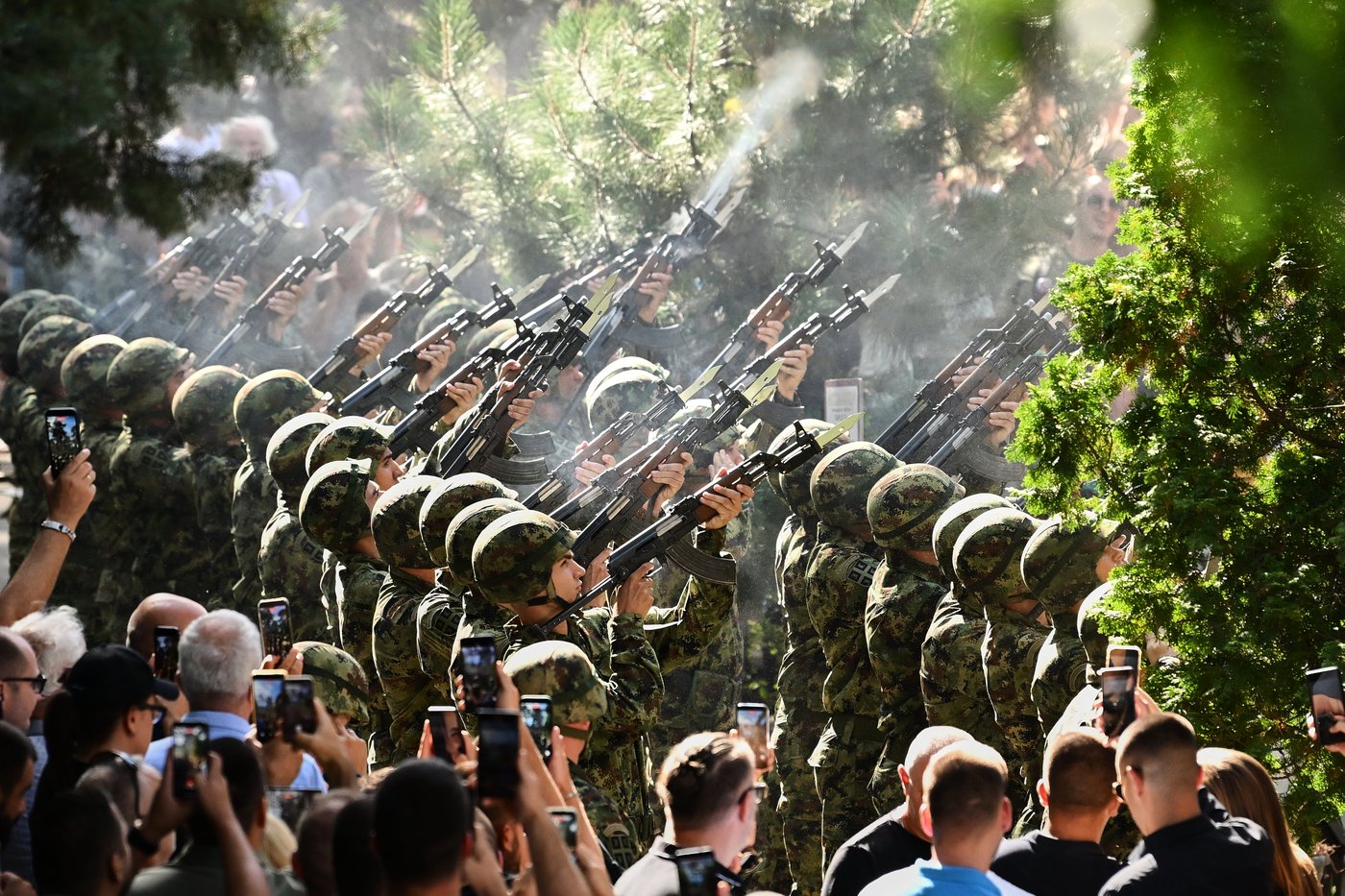
The funeral of Bosnian Serb general war criminal Ratko Mladić has provoked outrage in the European Union and elsewhere. Mladić was accorded military and state honours, as thousands turned out in Belgrade for the event. Serbia's accession to the EU is being called into question.
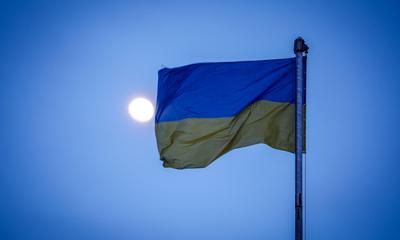
The Kiev government has been hit by yet another high-profile corruption case. Prosecutor General Ruslan Kravchenko has resigned. But it is one of his subordinates who is at the centre of the probe into fraudulent call centres and money-laundering.
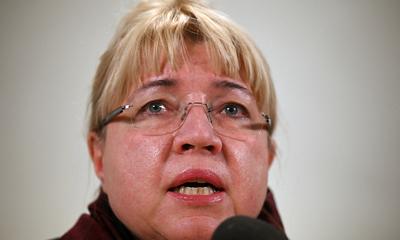
Russia’s Nobel-winning rights group Memorial fears the worst after the country’s elections: more arrests, harsher repression and new recruits sent to the war in Ukraine. In exile, Memorial’s leader Elena Zhemkova is preparing to fight back by preserving another Russia.
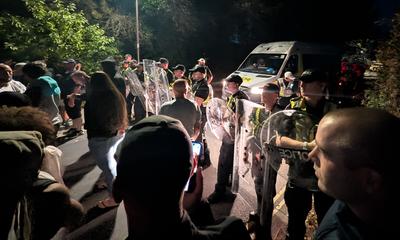
A small boat arrival on England’s south coast triggered masked protests, blocked roads and a tense police standoff. As anti-migrant demonstrators vow to stop the newcomers from being taken away, the scenes reveal how combustible Britain’s migration debate has become.
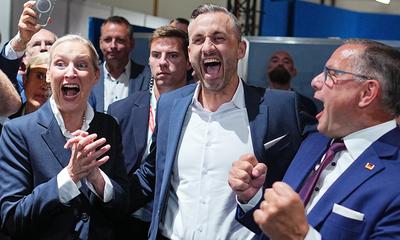
Germany’s far-right AfD has won its biggest state-election victory yet—but still needs help to govern. The BSW’s decision not to block an AfD-led minority government could break the country’s political firewall and make Saxony-Anhalt a national test case.