Loading article...
Trusted news agencies tracing tendencies of democratisation and autocratisation globally

Trusted news agencies tracing tendencies of democratisation and autocratisation globally
Loading article...
More than 100 million eligible Russian voters can head to the polls this weekend for a parliamentary election, even though the outcome is all but certain. Still, authorities have tightened control over the first wartime balloting
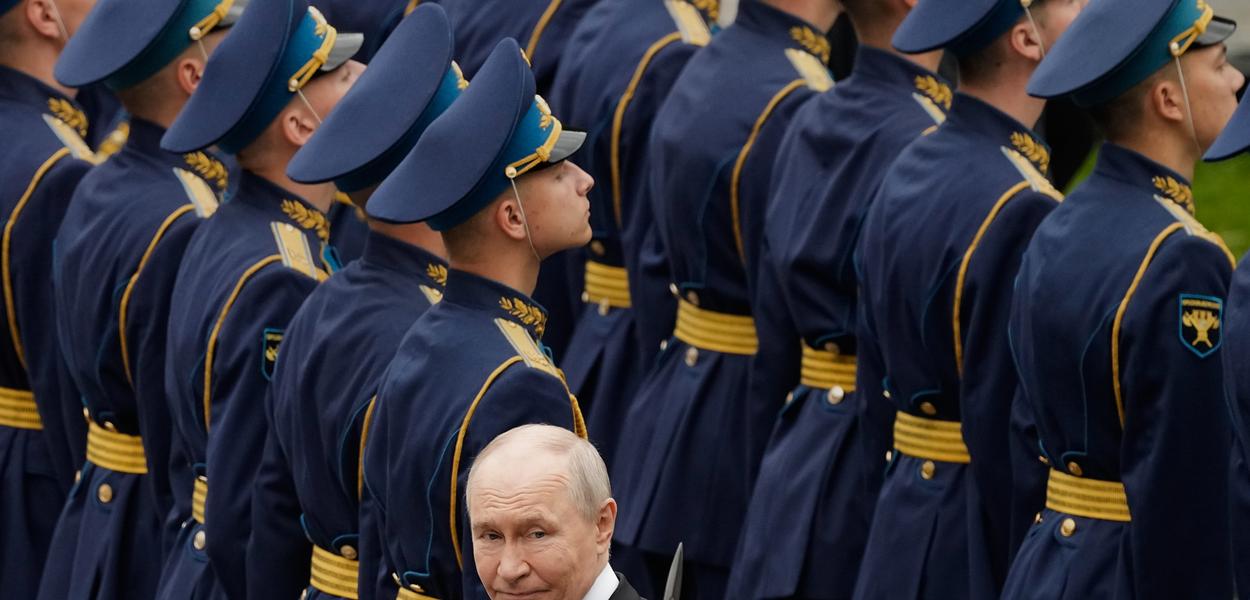
Moscow (AP/dpa) - It's a challenging time for Russia to hold a parliamentary election, even one whose outcome is all but assured.The country's more than 110 million eligible voters will elect 450 deputies to the new State Duma in Moscow from September 18-20.
The economic and political climate has been seriously affected by four-and-a-half years of full-fledged war with Ukraine. Swarms of enemy drones have inflicted massive damage on Russian oil refineries and logistical facilities. The public, which no longer sees the fighting as something distant, is increasingly nervous.
United Russia, the main Kremlin party, is poised to keep its overwhelming grip on the State Duma. Still, authorities have tightened control over the first wartime balloting for the lower chamber of parliament since the 2022 invasion.
Following the exclusion of the anti-war party Yabloko, a total of 10 parties loyal to the Kremlin are set to appear on the ballot paper.
Kremlin-watchers described the move as an apparent sign of infighting between elements of the government who wanted a semblance of competition to increase voter turnout, and those who feared Yabloko's presence could bring open criticism of the war and political instability.
“The risks that the campaign would turn into a struggle for and against peace — that is, a dispute about the war — were quite high, and this clearly was not part of the plan,” said Tatyana Stanovaya of the Carnegie Russia Eurasia Center.
In addition to the ruling United Russia party, whose victory in the election is considered certain, four other parties loyal to the system are currently represented in parliament.
Against Ukraine's wishes, the election will also be held for the first time in the Russian-controlled parts of the annexed Ukrainian regions of Luhansk, Donetsk, Zaporizhzhya and Kherson.
Alongside the Duma election, deputies to regional parliaments are also being elected in eight regions. According to the electoral commission, a total of around 2,200 elections are taking place at various levels of government.
Russian President Vladimir Putin said on Wednesday that the upcoming parliamentary election should contribute to Russia's victory against Ukraine by showing the country's unity.
"Taking part in the elections is our collective contribution to Russia's victory," he said in a video address.
He said the election should show "that millions of people stand behind our fighters, that we are a united people" and emphasised that he expects the "most worthy candidates" to win.
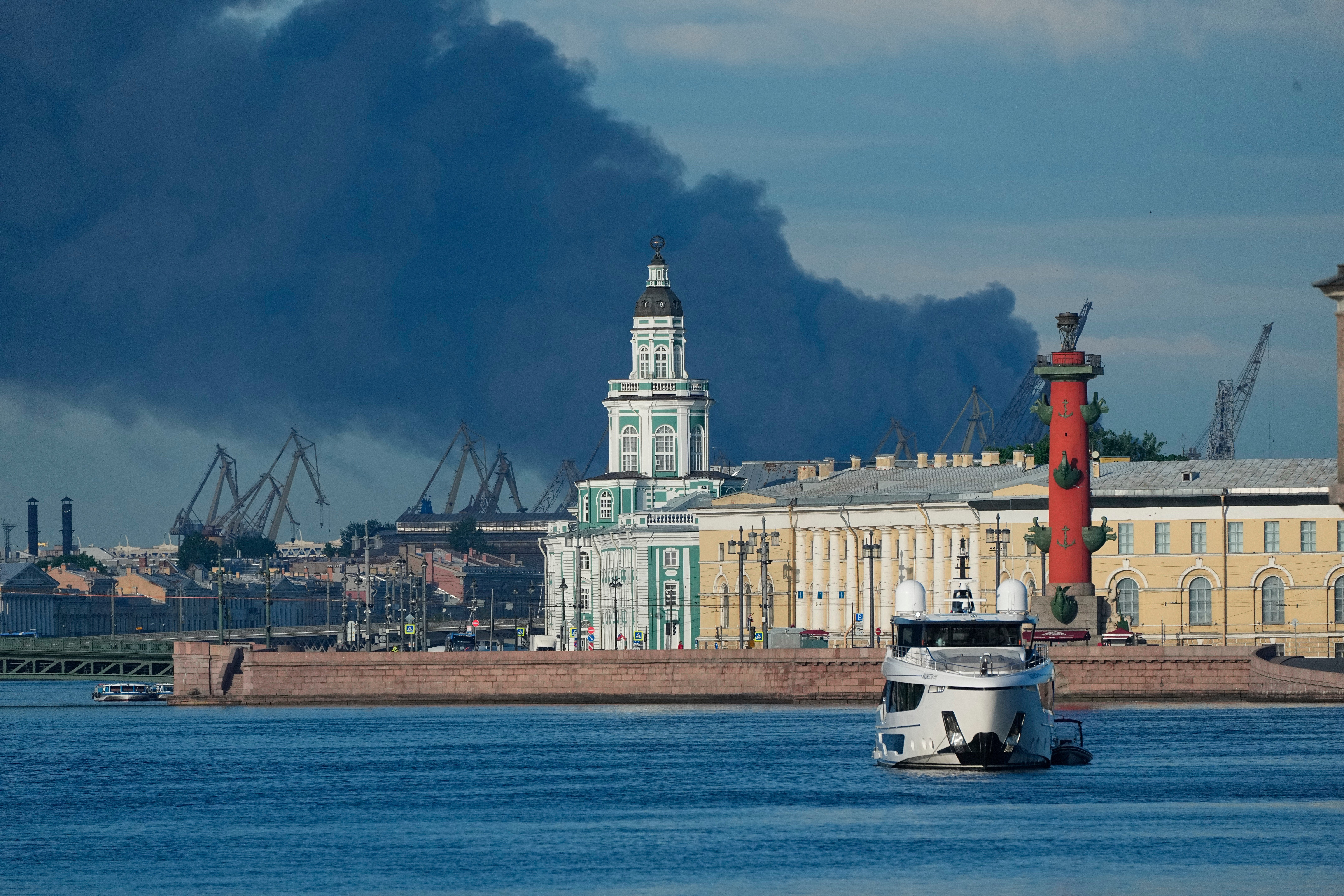
A summer marked by Ukraine's long-range drone strikes brought the war home for millions of Russians for the first time.
The attacks exacerbated problems for the Russian economy, which has plunged into stagnation as the initial boost from massive military spending has waned. The government raised taxes and increased domestic borrowing to keep the growing budget deficit under control.
Strikes on Russian oil refineries sparked a severe fuel crisis that peaked in June, eased for a few weeks and then returned in August.
Adding to the pain was a series of attacks on warehouses belonging to online retailers Wildberries and Ozon. Hundreds of thousands of individual sellers lost their merchandise, sending a shock wave through the economy.
All this dampened the public mood. Polls recorded a dip in Putin’s approval ratings, even though they remained high, with the independent Levada Center showing it at 76% in August, down from 87% in September 2025.
Even some senior members of Russia’s elite openly expressed discontent.
Andrei Klepach, chief economist of the state VEB.RF bank, warned of possible internal turmoil in Russia.
“We won’t win the competition in this war of attrition,” he said at a seminar. “Our costs are mounting. I’m almost sure that we will come to face a social crisis.” Klepach was dismissed the day after his comments were published.