
Brazil ex-leader Bolsonaro appeals 27-year prison sentence
Brazil's former president Jair Bolsonaro and his lawyers have appealed against his prison sentence. Among other things, they cite ‘profound injustices’ as grounds for the appeal. What are the next steps in the legal proceedings?
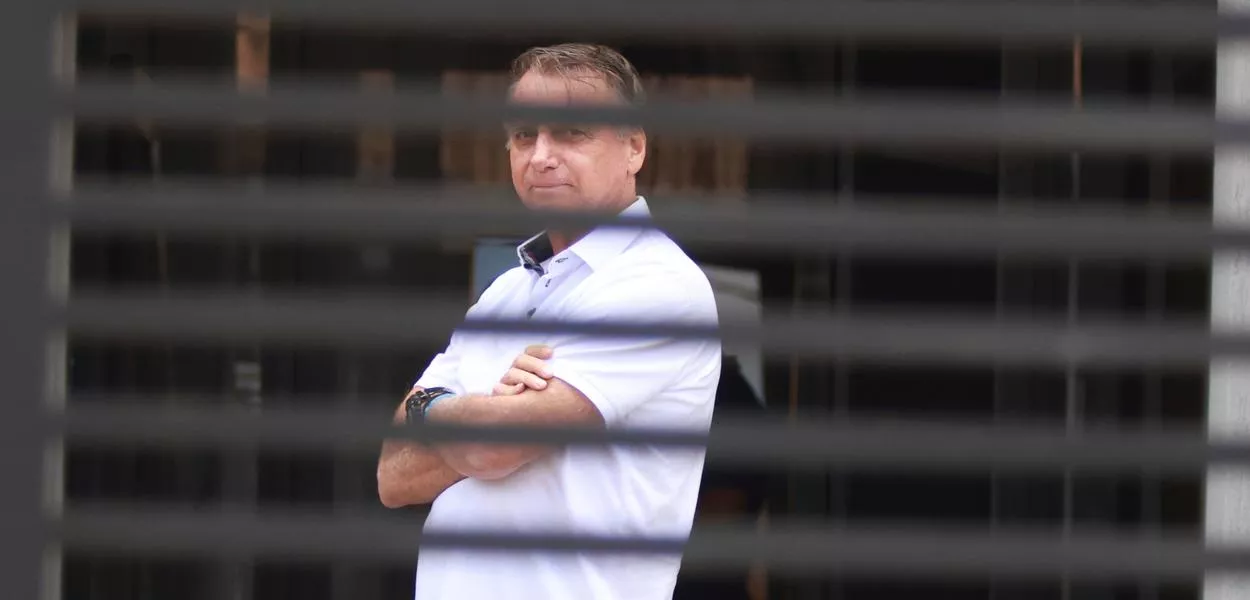
Brasilia (AFP/AP) - Former Brazilian president Jair Bolsonaro's lawyers have filed an appeal against his 27-year prison sentence for a botched coup bid after his 2022 election loss.
The far-right firebrand's lawyers allege "ambiguities, omissions, contradictions and obscurities" in the Supreme Court decision finding him guilty of attempting to oust President Luiz Inacio Lula da Silva, in a divisive trial that sparked the ire of US President Donald Trump. Judges convicted Bolsonaro in September, he has been under house arrest since August.
Bolsonaro has denied wrongdoing. He was convicted of attempting a coup that prosecutors alleged included plans to kill Lula. He was found guilty on other charges including participating in an armed criminal organization and attempted violent abolition of the democratic rule of law.
Lawyers speak of cumulative penalties they find injust
The lawyers now aim to reduce Bolsonaro's prison sentence. In an 85-page document sent to the Supreme Court, the lawyers said that the conviction and sentence entailed “profound injustices.” In their appeal, they argued Bolsonaro should not be convicted of both organising a coup and attempting to violently abolish democracy, on the grounds that the two charges overlap and therefore cumulative penalties are unjust. They also cited Justice Luiz Fux, who was the only dissenting vote on the five justice panel that convicted Bolsonaro, and argued that even if Bolsonaro had attempted a coup, he “deliberately interrupted the course of events” and did not go through with it.
João Pedro Padua, a law professor at the Fluminense Federal University, said that this kind of appeal is very unlikely to reduce Bolsonaro's sentence. To file an appeal that could substantially modify the decision, the Supreme Court usually requires at least two dissenting votes.
There is no limit on how many motions for clarification can be filed, but the Supreme Court may deem successive filings an attempt to delay the final judgment. Such a strategy is “risky” for Bolsonaro’s lawyers, as they “could give the Supreme Court an excuse to declare the judgment final right away,” Padua said.
Justices will decide in November
Seven other close aides were convicted alongside Bolsonaro, and all of them apart from Mauro Cid, who signed a plea deal, have filed appeals, the Supreme Court said in a statement. Justices will decide on the appeals between November 7 and November 14, the court added. Bolsonaro will only start serving time once appeals are exhausted.
The trial made global headlines. US President Donald Trump ordered a 50% tariff on Brazilian imported goods and cited in part Bolsonaro’s case, which he called a “witch hunt.” That triggered a sharp deterioration in US-Brazil relations, which experts described as the lowest point in their more than 200-year history. Relations have improved since. Lula and Trump spoke on the phone and then met in Malaysia at the ASEAN summit.