
Haiti targets August 2026 for first elections in a decade
After a decade Haiti, long plagued by political and security woes, wants to organise elections in August 2026. To do that restoring security across the country is essential. It's a first step to put Haiti back on the path to democratic legitimacy.
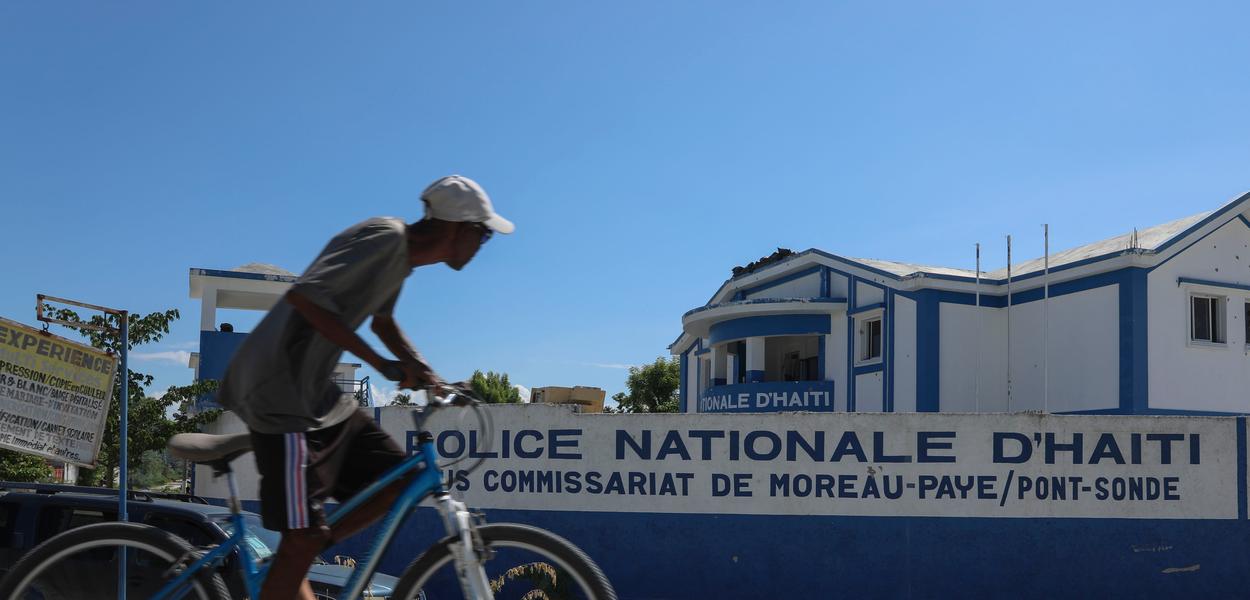
Port-au-Prince (AFP/AP) - Gang-destabilised Haiti took a big step on Tuesday toward holding its first elections in nearly a decade after transitional authorities announced the Caribbean country would hold a vote next summer.
The first voting round of a general election will be held in August 2026, but restoring security across Haiti is essential for polls, according to the Provisional Electoral Council, the body which issued the decree and is responsible for organising the vote.
"The restoration of security is a prerequisite for holding the first round" of legislative and presidential elections, according to the council's president Jacques Desrosiers.
Haiti, the poorest country in the Americas, has long been plagued by a political and security crisis, and the situation has worsened since early 2024, when then-prime minister Ariel Henry was forced to resign by armed gangs -- who still control much of the capital Port-au-Prince.
Haiti has not held elections since October 2016. Its last elected president, Jovenel Moise, was assassinated in July 2021.
In 2023, the United Nations approved a multinational security mission to help overwhelmed Haitian police respond to the gangs, but the under-equipped and underfunded deployment has had mixed results.
At the end of September, the UN Security Council approved a transformation of the mission into a more robust anti-gang force.
"Putting Haiti back on the path to democratic legitimacy"
Haiti's interim ruling body, the Transitional Presidential Council, currently governs the country, but the council's mandate is set to expire in February 2026.
Laurent Saint-Cyr, the council's president, praised the adoption of the decree, calling it a "major decision" for the country, emphasising that the decision "finally offers the Haitian people the opportunity to freely and responsibly choose those who should lead them."
"By taking this decisive step, while we remain fully committed to restoring security, we reaffirm our commitment to putting Haiti back on the path to democratic legitimacy and stability," he added in a post on X.
Criminal gangs have wrought chronic instability in Haiti, perpetuating murders, rape, looting and kidnapping throughout the Caribbean country. The UN reported in October that more than 16,000 people have been killed from armed violence in Haiti since the start of 2022.