
US court temporarily halts new visa rules for students, journalists
New visa rules in the United States have been dropped amid reports from American universities that international student enrollment is falling amid, president Donald Trump’s increasingly restrictive immigration policies.
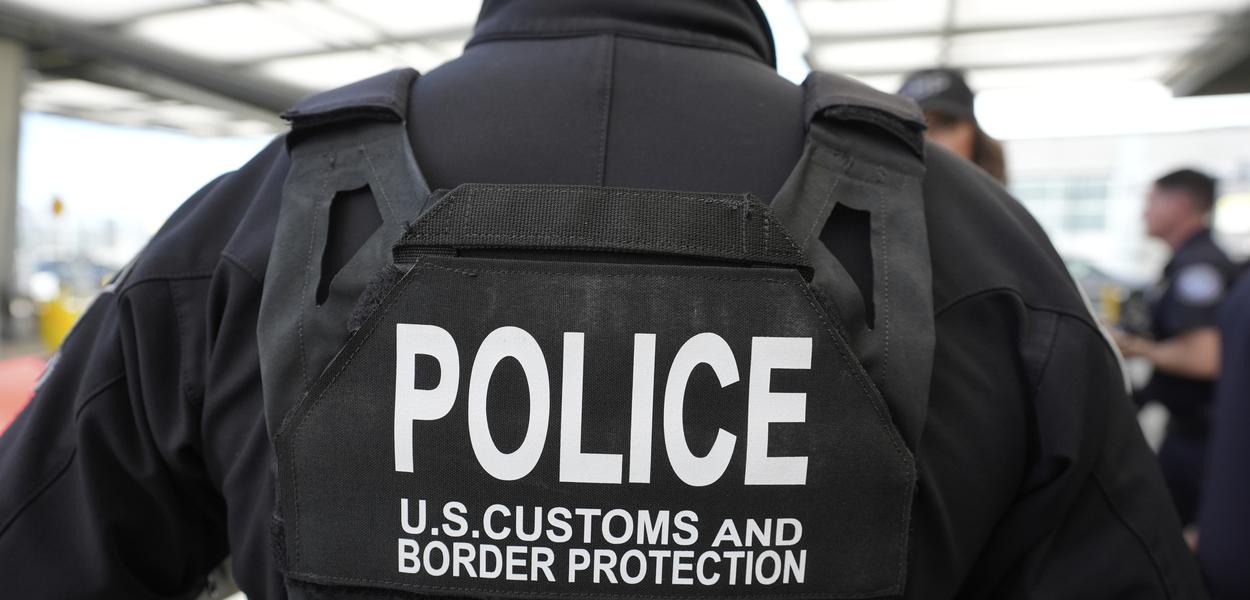
Washington (dpa) – The US government has been temporarily blocked from imposing new limits on how long foreign students and journalists can remain in the country.
A federal court issued a preliminary injunction preventing the Department of Homeland Security from implementing the new visa rules as planned on Tuesday.
The broader legal challenge is continuing, meaning a final ruling on the policy is still pending.
The lawsuit was brought by a coalition of university presidents, education groups and trade unions that advocates for foreign students.
Under the Trump administration's plans, students and exchange visitors would generally be limited to stays of no more than four years, while journalists would be allowed to remain in the United States for up to 240 days at a time.
In both cases, extensions could be requested without leaving the country.
The F visa for students, J visa for exchange visitors and I visa for journalists have long operated under a different system, allowing holders to stay for the "duration of status" rather than for a fixed period.
Students can stay longer
For students, that generally meant they could remain for the duration of their studies. Journalists could stay as long as they continued working in the same role for the same employer.
In his ruling, Judge F Dennis Saylor said the Department of Homeland Security had failed to provide a convincing cost-benefit analysis for the proposed changes.
He also criticized the department for failing to seriously consider alternatives or adequately explain why other options had been rejected.
Saylor said the four-year limit appeared arbitrary, noting that average study periods were in fact between 5.7 and 7.3 years.
The judge also questioned the security rationale, writing that a foreign student intent on photographing military bases could presumably do so within four years - or even while visiting on a six-month B-1 tourist visa.